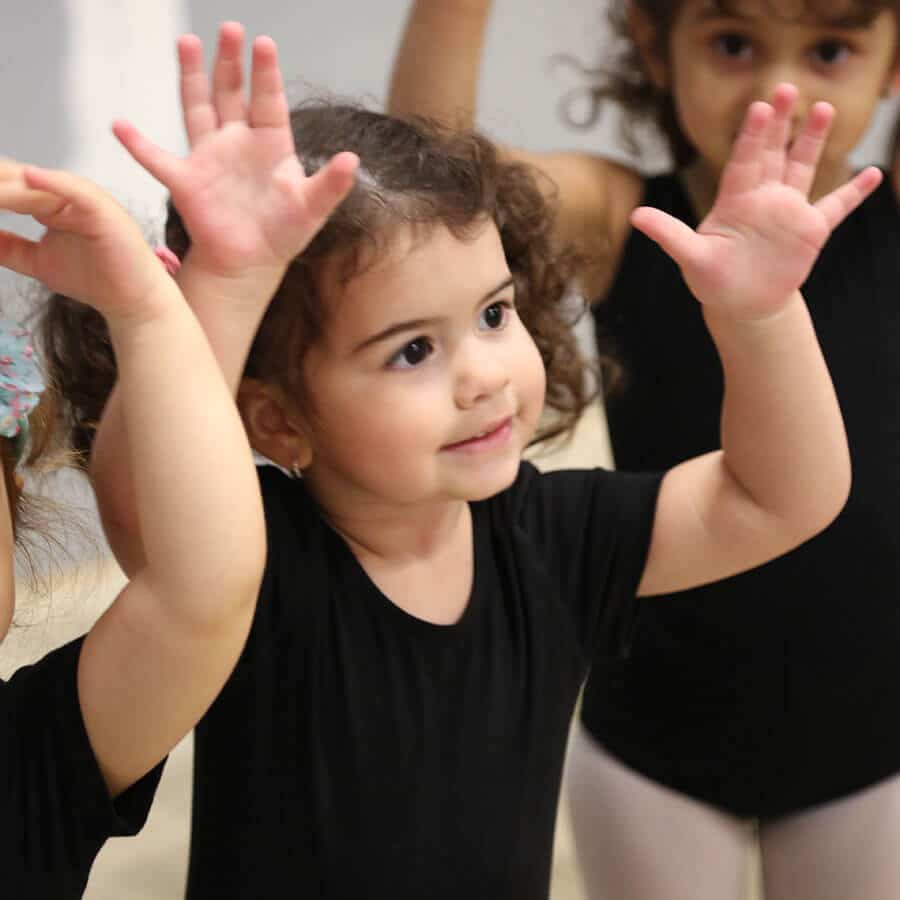
Watching a toddler twirl around the living room to music is a joyful sight for any parent. It is natural to watch that innate rhythm and immediately picture them on stage in a recital costume. However, determining when to start dance class for your kids is a common dilemma. Enroll them too early, and the structure of a formal class might lead to frustration or tears. Wait too long, and you might feel they are missing out on foundational skills.
The truth is that readiness is not defined strictly by a date on a birth certificate. While many studios offer programs starting at age two or three, true readiness is a unique blend of emotional maturity and physical capability. Every child develops at their own pace, so rushing the process can sometimes dampen the very enthusiasm you are trying to nurture.
Waiting for the right moment ensures that your child’s first foray into the studio is a positive, confidence-building experience. When a child is truly prepared, they are more likely to develop a lifelong love for movement, build self-discipline, and thrive in a group setting. If you are wondering if it is time to register, here are the signs a child is ready for dance classes.
The 5 Key Readiness Signs
To determine if your little one is prepared for a recreational program, it helps to look at their development through two distinct lenses: emotional readiness and physical readiness. A child might have the energy to hop and skip but may struggle with the structure of a classroom, or vice versa.
Emotional & Social Readiness
Emotional readiness for dance is often the biggest hurdle for young beginners. Dance is a discipline that requires focus, patience, and social interaction. Before enrolling, look for these three indicators:
1. Can Separate from a Parent or Caregiver
For a child to succeed in a standard dance class, they must be comfortable staying in a new environment with a teacher and other students—without you in the room.
• The Sign: Your child can confidently enter the studio and participate for 30 to 45 minutes while you wait in the lobby.
• Why It Matters: Classes at Performing Dance Arts are designed to help children build independence and focus on the instructor. If a child is distressed by your absence, they cannot engage with the lesson. Note that some separation anxiety is normal; the key is whether they can self-soothe quickly and join in the fun.
2. Follows Multi-Step Directions
Dance is a language of movement; learning that language requires listening.
• The Sign: Your child can process and execute a sequence of two to three simple instructions. For example, “Walk to the centre of the room, sit down, and clap your hands.” They should also understand basic concepts like “fast vs. slow” or “stop vs. go.”
• Why It Matters: Even in beginner classes, the lesson structure relies on following cues. If a student struggles to retain short-term information, they may feel lost or overwhelmed when the music starts.
3. Exhibits Group Focus & Patience
Unlike solo play at home, a dance class is a communal effort.
• The Sign: Your child can wait their turn without becoming disruptive. They show basic self-control, meaning they aren’t constantly wandering off or interrupting the teacher.
• Why It Matters: A positive classroom environment relies on cooperation. A child who is ready for dance enjoys being part of a group activity and understands that they are part of a team, even at a young age.
Physical & Motor Readiness
While technique is taught in class, a child’s dance readiness also requires a baseline of physical development.
4. Possesses Basic Gross Motor Skills
You don’t need a ballerina’s grace on day one, but you do need the building blocks of movement.
• The Sign: Your child can effectively run, balance for a few seconds, and hop on one foot. They should also demonstrate some awareness of their limbs—for example, lifting one arm while keeping the other down.
• Why It Matters: These are the foundational movements for almost all dance styles, from ballet to jazz. Without these gross motor skills, a child may struggle with basic choreography, leading to discouragement.
5. Has Bladder and Potty Control
This is a practical but essential requirement for most drop-off programs.
• The Sign: Your child is reliably potty trained, wearing underwear rather than diapers or pull-ups, and has minimal accidents. Crucially, they must be able to communicate their need to use the washroom to an adult.
• Why It Matters: Dance teachers are responsible for the safety and instruction of the entire class; they cannot leave the group to assist a child in the washroom. Ensuring your child is independent in this area prevents unnecessary interruptions and ensures the class runs smoothly for everyone.
Next Steps: What if They Aren’t Ready Yet?
If you have reviewed this list and realized your child isn’t quite there yet, do not worry. This is not a race. Parents often ask the question, “What age do kids start dance lessons?” And while the average answer is between ages three and five, there is no harm in waiting. In fact, waiting six months can make a world of difference in an individual child’s attention span and motor skills.
If you want to encourage readiness without the pressure of a full-term class, here are a few actionable tips:
- Practice at Home: Play games like “Simon Says” to help your child practice listening and following multi-step directions.
- Non-Committal Activities: Try drop-in library story times or playgroups. These environments help children get used to structured group settings and separating from parents for short periods.
- Encourage Movement: Put on music at home and encourage free dance. This builds a love for rhythm and movement before adding the rules in.
- Parent-Assisted Classes: Look for “Dance in Your Pants” or parent-and-tot style classes where you can participate with them. This bridges the gap between home and the studio.
When you feel the time is right, consider the age for first dance class as it pertains to your child in particular. A great way to test the waters is to contact the studio about a trial class. This allows you to assess the fit and see how your child responds to the environment before committing to a full season.
Setting the Stage for Success
Deciding when to start dance class for kids is a personal decision that relies on you knowing your child best. By ensuring they meet the emotional and physical milestones that we’ve outlined here today, you are setting them up for a journey filled with fun rather than frustration.
At Performing Dance Arts, our goal is to help your child develop higher self-esteem, better coordination, and creativity. Whether they are ready now or need a little more time, the world of dance will be waiting for them. When they step into the studio with confidence, they aren’t just learning steps; they are building a foundation for a healthy body and mind that will serve them well both on and off the stage. Do you think your child is ready to test out a class? Contact Performing Dance Arts to book a free dance experience today.