Deciding on your child’s extracurricular activities can feel surprisingly complex. You scroll through social media and see polished, high-kicking dancers from competitive programs, and a hidden pressure starts to build. Should your child be aiming for that level of intensity? Or is a more relaxed approach better?
The choice between recreational vs. competitive dance for kids is a common dilemma for parents. It isn’t just about dance; it’s about finding the right balance of fun, commitment, and passion that fits your child’s personality and your family’s lifestyle.
What is the difference between competitive and recreational dance? This guide will break down the answer to that question, exploring the philosophy, commitment, and goals of each path. By the end, you’ll have a clearer picture of which environment will help your child thrive as an individual.
The Recreational Dance Track
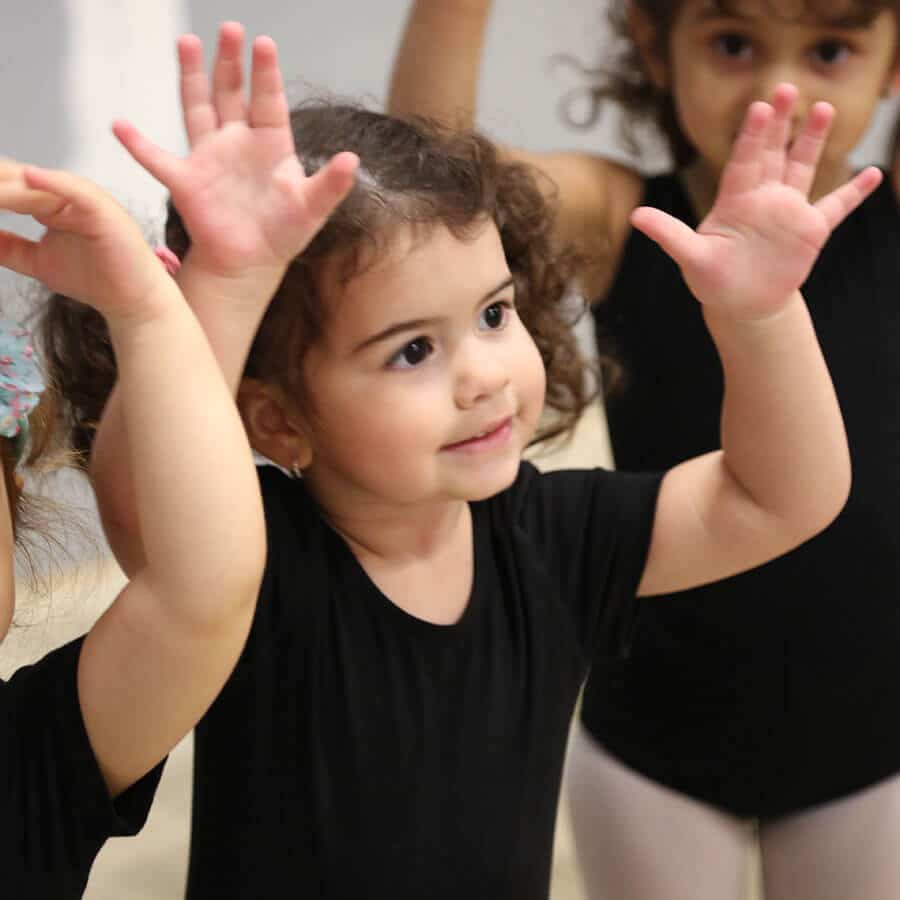
Recreational dance is designed to introduce children to movement in a fun, encouraging, and low-pressure setting. This track is perfect for building a foundation and discovering a love for the art form without the intensity of a competitive environment.
Core Philosophy & Benefits
The main goal of recreational dance is to foster a genuine, lifelong love for movement. The focus is on fun, self-expression, and positive socialization.
In this supportive atmosphere, students develop crucial life skills. They build fundamental motor skills like balance, rhythm, and coordination while also honing their ability to follow instructions.
Because there are no prerequisites or auditions to join, the environment is welcoming to everyone. This low-stakes setting allows children to build confidence, learn cooperation, and have a healthy weekly outlet to de-stress and express themselves creatively.
The Commitment Breakdown
One of the most significant differences in the recreational vs. competitive dance debate is the level of commitment required.
Recreational programs are designed to fit into a busy family schedule. Dancers typically attend one class per style each week, amounting to about one or two hours total. This makes it easy to balance dance with school, other sports, and family time. While consistent attendance is encouraged, an occasional absence for a family event or illness won’t derail progress for the individual student or class as a whole.
Financially, the recreational track is much more accessible. The primary costs are studio tuition and a single, often simple, costume for the end-of-year show. There is no mandatory travel, and no competition entry fees or expensive master classes are required.
Performance Focus
The performance aspect of recreational dance is a celebration, not a competition. The entire season builds toward a single, exciting event: the annual spring or summer recital.
This showcase is a chance for dancers to share what they’ve learned with family and friends. The focus is on the thrill of wearing a costume, performing on stage, and celebrating a year of hard work. Costumes are usually affordable and require little to no parent alteration, keeping the experience fun and stress-free for everyone involved.
Deep Dive: The Competitive Dance Track
The competitive dance track is an intensive, high-commitment program geared toward students who are serious about technical training and performance. It is a demanding but rewarding path for those with a strong drive to excel.
Core Philosophy & Demands
The philosophy of competitive dance centers on technical mastery, precision, and performance achievement. The goal is to achieve quantifiable results through scores and rankings at competitions, pushing dancers toward artistic excellence.
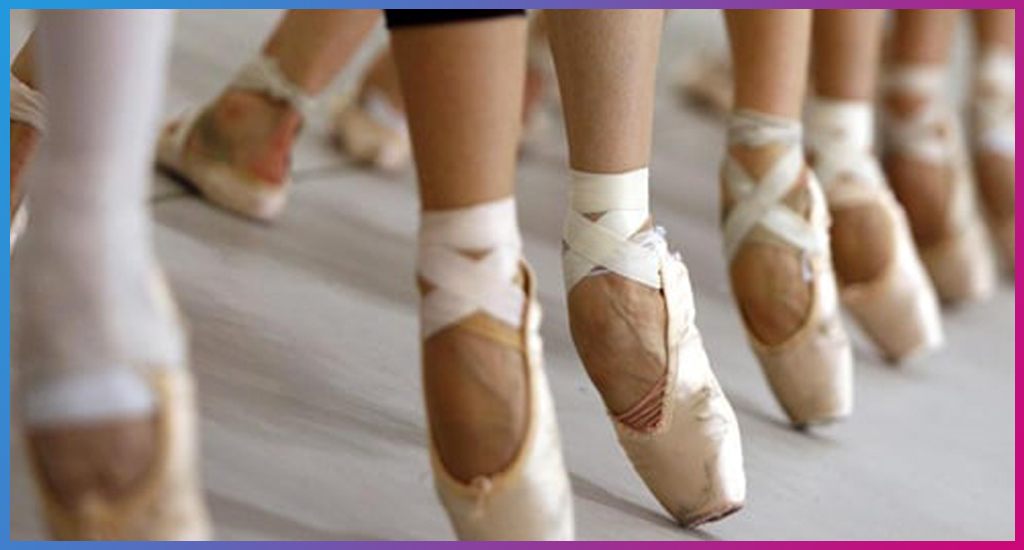
The curriculum is rigorous. Dancers are required to take multiple technique classes, such as mandatory ballet, jazz, and conditioning, in addition to long rehearsals for their competitive routines. Students must be prepared to receive and apply rigorous feedback and critique, as the environment is geared toward continuous and rapid improvement under pressure.
The Commitment Breakdown
The commitment for competitive dance is substantial and often non-negotiable. Dancers can spend anywhere from four to over 15 hours per week at the studio, depending on their level. Rehearsals are mandatory, and weekends are frequently dedicated to competitions or workshops.
Dance often becomes the primary extracurricular focus, sometimes requiring students to choose it over other sports or clubs. The financial investment is also high, covering tuition for multiple classes, required master classes, travel and hotel costs for out-of-town competitions, numerous entry fees, and multiple elaborate costumes.
Performance Focus
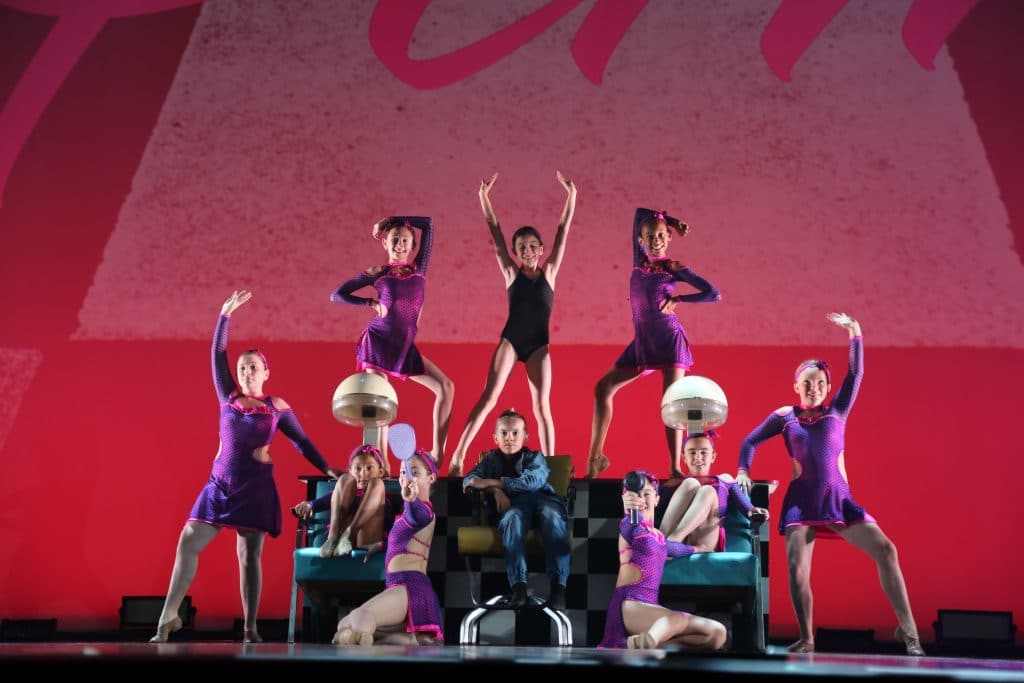
The performance schedule is a key factor in understanding the difference between competitive and recreational dance. Instead of one recital, competitive dancers travel to multiple regional and sometimes national competitions throughout the year, typically attending three to six events.
At these events, routines are scored, judged, and ranked against other studios. Dancers learn to manage pre-performance anxiety and handle the emotional highs and lows of winning and losing. Costumes are detailed, more costly, and often require a significant commitment to fittings and management.
Also Read: Gymnastics or Dance—Which Is Better for Kids?
Decision-Making Matrix: Which Path Is Right for Your Child?
To navigate the recreational vs. competitive dance decision, consider your child’s personality and your family’s capacity. Answering these questions honestly will help guide you to the best fit.
Evaluate Your Child’s Motivation & Personality
• Does your child seek an outlet for energy and social connection, or are they driven by a desire for technical perfection and achievement?
A recreational class is great for social fun, while a competitive team is better for the child who is always practicing and wants to master every step.
• How does your child handle pressure and disappointment?
Competitive dance involves intense scrutiny and judged outcomes. If a child is motivated by constructive criticism to perfect their skills, they may thrive. If they tend to shut down under pressure, a recreational setting is a better starting point.
Assess Your Family’s Lifestyle and Bandwidth
• Are you looking for a fun, once-a-week commitment, or are you ready for dance to become a primary family focus?
Competitive dance requires a significant time commitment that impacts the whole family’s schedule. The competitions themselves tend to monopolize several weekends a year.
• Is your family prepared for the significant financial investment required for travel, competition fees, and multiple costumes?
The costs of competitive dance, including fees for class registration, competition entry, masterclasses, private lessons and the money required for regular performance wear, multiple competition costumes, travel, and hotel stays, can add up quickly.
Discuss Future Goals
• Do you and your child view dance as a fun, lifelong hobby or a potential career path?
While not always the case, students aiming for a professional dance career, college scholarships, or acceptance into specialized arts programs can benefit from the rigorous training of the competitive track. A child who wants to incorporate dance into their life as a hobby, or who needs to figure out exactly how they feel about performing, should sign up for recreational dance, at least to start.
Finding the Joy in Movement
Ultimately, the most successful dance experience is the one that makes your child happy and eager to return to the studio each week. Whether they find that joy in a relaxed recreational class or a high-energy competitive team, their happiness should be the primary metric of success.
Remember, a positive recreational experience can instill a lifelong appreciation for movement, which is an invaluable gift. And the choice isn’t permanent. Many dancers start in recreational classes and, after discovering a deep passion and aptitude, transition to a competitive team. Conversely, some competitive dancers may later choose to step back to a recreational level to reduce stress or explore other interests.
If you’re unsure where to begin, always start with recreational. It provides a wonderful foundation without overwhelming commitment. Trust your child’s intrinsic motivation and joy above all else—that’s the secret to finding the perfect fit.
Not sure about the whole recreational vs competitive dance decision when it comes to your child? Book a free dance class with Performing Dance Arts to get a better feel for what path may work best for them.