Ballet, hip-hop, jazz, contemporary—dancing offers a fun and rewarding experience for young dancers. It’s a world where rhythm meets passion and expression knows no bounds. However, the path to becoming a skilled dancer isn’t always smooth. Young dancers face various challenges that can impact their enjoyment and progress. This blog post explores these challenges and provides practical tips to help young dancers thrive.
Physical Challenges
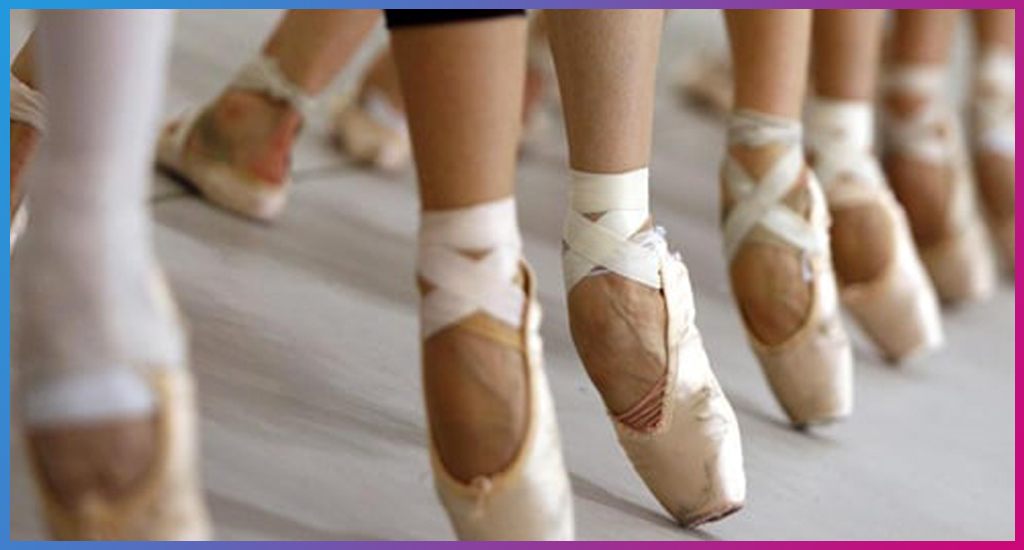
Dancers are no strangers to injuries such as sprained ankles, shin splints, and blisters. However, if not addressed, these struggles can lead to irreversible joint and muscle injuries that can last a lifetime. Injury prevention is key, and it starts with proper footwear, training on appropriate surfaces, and strength training and flexibility exercises.
Strong muscles support better movement and reduce the risk of injury. Flexibility enhances a dancer’s range of motion, allowing for more expressive and dynamic movements. A thorough warm-up prepares the muscles for intense activity, while a proper cool-down helps in recovery. Listening to your body, taking breaks when needed, and practicing good technique is fundamental.
Mental Challenges
The demands of dance can sometimes feel overwhelming for young dancers. These mental challenges can cripple a dancer’s career goals as they fail to manage the stress.
Performance anxiety is one of the most common challenges dancers face. Whether the anxiety is brought on by peer pressure or self-doubt, many dancers experience stage fright, leading to heart palpitations and/or illness. Focusing on individual progress, journaling improvements, and limiting time on social media are effective techniques to mitigate feelings of self-doubt.
In addition, dancers can build confidence and a positive mindset by setting achievable goals, celebrating small victories, and practicing positive affirmations. Learning from their mistakes and seeking support from friends, parents, and dance instructors can also be inspiring.
Time Management Challenges
Young dancers often have to juggle schoolwork, family responsibilities, and their social lives on top of their regular dance classes and practices. While school is the top priority, their preparation for dance must be a close second if they want to succeed. With so many priorities and goals to achieve, dancers can get stressed out and forget to prioritize their mental health.
Effective time management is crucial to ensure that all responsibilities are met without feeling overwhelmed. Creating a realistic schedule and prioritizing tasks can help young dancers manage their time efficiently. In addition, implementing time management strategies such as using a planner, setting deadlines, and avoiding procrastination can make a significant difference.
Dancers can also try using digital tools like apps or alarms to serve as reminders and assist in staying organized. It is important for dancers to learn how to not overcommit themselves by taking on too much at once.
Social Challenges
Social connections within the dance community are important for young dancers, but it can be hard to join new groups, especially when the existing members already have strong bonds. Participating in group dances or dance-related social events can help build connections and foster a sense of belonging. It can also help young dancers meet like-minded individuals who have the same passion for dance as they do.
Another challenge that young dancers might face is negative comments or bullying. Rude and nasty comments from others, especially their peers, can damage a dancer’s self-confidence and motivation.
Seeking support from teachers, parents, or other trusted adults can provide guidance on how to handle such situations. In addition, being kind and inclusive, joining dance groups or clubs, and developing strong friendships can create a supportive environment. Building resilience through positive reinforcement and staying true to oneself can help young dancers maintain a positive outlook.
Nutrition and Hydration Challenges
A balanced diet is essential for young dancers to perform optimally and recover effectively. Dancers should ensure they eat a mix of carbs, fats, and proteins. These provide fuel and the energy needed for intense dance workouts. They also aid in muscle recovery. Without proper nutrients, a dancer can experience low blood sugar, which can lead to extreme fatigue and injuries.
Staying hydrated is equally important, especially during intense dance sessions. Research shows that dancers can lose up to two litres of water with every class workout. Without adequate water intake, dancers are susceptible to serious injuries such as cramps and muscle strains. They can also experience fatigue and light-headedness. It is recommended that dancers consume three litres of water daily and more on days of dance class.
Common nutritional mistakes such as skipping meals, consuming excessive sugary or processed foods, and not getting enough protein or carbohydrates should be avoided. A well-balanced diet supports overall health and enhances a dancer’s performance.
Relaxation Challenges
Young dancers face unique challenges when it comes to relaxation. With the constant pressure to perform, they often find it difficult to unwind and let go of their anxieties. Whether it’s the stress of upcoming competitions or the pressure to perfect new routines, relaxation seems like a luxury they cannot afford. Unfortunately, this lack of rest can lead to burnout, injuries, and even a decline in performance.
It’s essential for young dancers to learn the art of relaxation and find ways to quiet their minds and nourish their bodies with progressive muscle relaxation, deep breathing, and meditation.
Progressive muscle relaxation, also known as PMR, focuses on each muscle group one at a time. It involves tensing and relaxing different muscle groups in the body and can help reduce tension and promote relaxation. Deep breathing, on the other hand, stimulates the brain to release stressors. Focusing on inhaling deeply through the nose and exhaling slowly through the mouth can help reduce stress and anxiety. Lastly, meditation is designed to calm the body, mind, and soul. Dancers can benefit by practicing mindfulness meditation for a few minutes each day.
Enhance Your Dance Journey with Performing Dance Arts
With world-stage experience, the instructors at Performing Dance Arts bring their resources, knowledge, and support to each and every class. We focus on the physical, emotional, and mental attributes of the dance world.
Call us at 905-856-1030 (Vaughan) or 647-640-5010 (Etobicoke) or 647-262-1550 (Yorkdale) to learn more about our dance studios and classes.