Walking into a ballet studio for the first time can feel incredibly intimidating for GTA-area parents. The hushed atmosphere, the classical piano music playing softly in the background, and the sight of focused students at the barre create an environment that seems steeped in mystery. It is entirely normal to feel a bit out of your depth when introducing your child to this highly structured art form.
You can think of your child’s first ballet class much like their very first day of school. It marks the beginning of a long, rewarding journey that requires patience, observation, and a willingness to learn new routines. The transition into this environment introduces young minds to a unique type of education, one that relies on physical expression and deep concentration.
The good news is that you absolutely do not need to be a seasoned dance parent to help your child thrive. Success in this discipline comes down to having the right information and knowing how to support your child as they progress. Whether you are researching ballet for toddlers in Toronto, exploring ballet classes in Toronto for older children, or simply comparing local extracurricular activities, understanding the fundamentals will give you the confidence to guide your young dancer.
The Developmental Roadmap: The Right Age to Start Ballet
Every dancer progresses at their own pace, but ballet training generally follows a predictable developmental roadmap. Understanding these stages helps parents set realistic expectations for their child’s physical and social growth.
Here is a breakdown of what to expect at different age levels:
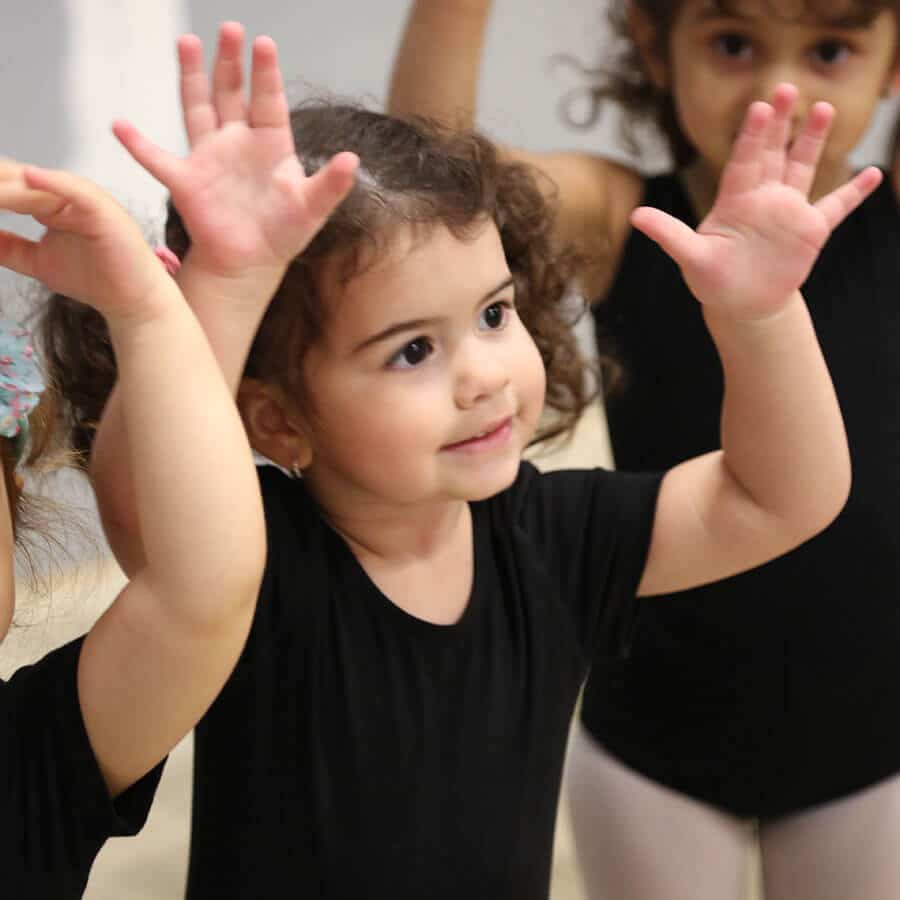
- Ages 3–4 (Creative Movement): At this stage, the primary focus is on social integration and building a love for movement. Often referred to as “pre-ballet,” these classes prioritize spatial awareness, listening to the piano, and following in a circle without bumping into friends. The environment is highly playful and designed to help young children develop confidence through movement.
- Ages 5–7 (Pre-Primary and Primary): Instructors gently introduce turnout, which is the foundational action of rotating the legs outward from the hips. Teachers also emphasize proper posture, often instructing children to stand tall as if a string were pulling them directly from the crown of their head.
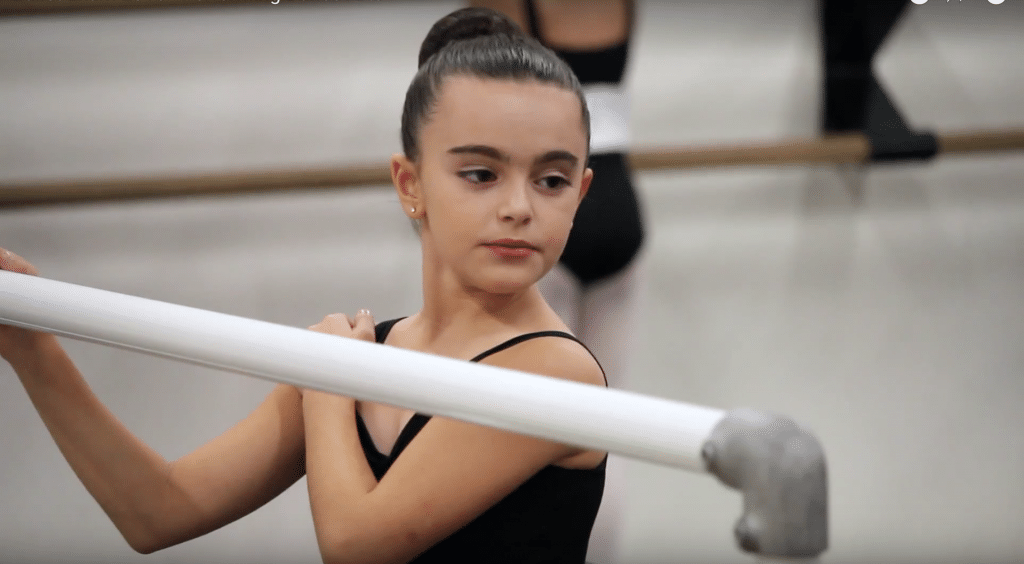
- Ages 8+ (Level 1 and Beyond): This phase marks a distinct shift from play to formal study. The introduction of the barre stands as a major milestone in a dancer’s training. Instructors teach students that the barre is a tool for stability and alignment, not a crutch to rest their weight upon.
Safety and Discipline: Decoding the Ballet Dress Code
The traditional ballet uniform often raises questions for new parents, but every element of the dress code serves a specific, functional purpose. The rules regarding attire are designed to keep students safe and focused during their training.
The reasoning behind the strict dress code includes the following key points:
- Visibility for Corrections: An instructor cannot correct a tilted pelvis, a misaligned spine, or a locked knee if those body parts are hidden under baggy sweatpants. Fitted leotards and tights allow teachers to ensure students are moving safely.
- Focus and Uniformity: Wearing identical colours eliminates costume envy among classmates. When everyone looks the same, the focus remains entirely on the movement and the technique being taught.
- The Non-Negotiable Bun: When a child has long hair, a proper hair bun is vital for safe turning. When a dancer turns and “spots” (whipping their head around to maintain focus), a loose ponytail acts like a whip, potentially hitting the eyes or throwing off their balance. A tight bun keeps the centre of gravity stable.
- Shoe Care: Ballet slippers should never be worn outside. Dirt and gravel quickly ruin the suede soles, plus tracking debris inside damages the specialized studio floors.
Choosing the Right Studio Environment for Your Child
Selecting the facility where your young one will being to learn ballet involves much more than simply finding the closest location; it requires matching a studio’s philosophy with your child’s personality. The environment you choose will heavily influence your son or daughter’s relationship with dance.
When evaluating kids’ dance studios in Toronto and the GTA, keep these important factors in mind:
- The Vibe Check: Not all studios share the same end goals. Some facilities gear their training toward the high-energy, trophy-oriented competitive circuit, while others prioritize long-term technical mastery through rigorous syllabus exams.
- Live Accompaniment vs. Recorded Music: High-level classes frequently utilize a live pianist. This practice teaches children genuine musicality, requiring them to respond to subtle tempo changes and phrasing rather than simply counting out beats to a fixed recording.
- The Safety Factor: A proper sprung floor is an absolute technical necessity. Dancing on dead surfaces, such as hardwood placed directly over concrete, frequently leads to shin splints and joint degradation. Sprung floors at a studio represent a vital investment in children’s physical longevity.
- Teacher-to-Student Ratio: Precision is everything in classical dance. If a class contains more than 20 students, the instructor simply cannot provide the manual corrections—such as gently adjusting an ankle or dropping a raised shoulder—required to prevent bad habits from taking root.
Also Read: Most Difficult Dance Moves in Ballet
The Final Exam: The Role of Recitals
Recitals serve as the culmination of a year’s worth of rigorous training, transforming classroom exercises into a polished theatrical experience. This event pushes students to apply everything they have learned in class under the bright lights of a stage.
Performance Artistry vs. Classroom Technique
The classroom acts as a laboratory where dancers constantly fix mistakes while staring into a mirror. During a recital, that mirror disappears entirely. This dramatic shift forces the dancer to feel the movement from within their own muscles and project that quiet confidence outward to a live audience.
Character Building in the Wings
A significant portion of a dancer’s education happens backstage in the wings. Students learn immense patience while waiting quietly for their specific cue. They also learn strict accountability, realizing that if they miss their entrance, the entire group routine is compromised. Ballet truly acts as the ultimate team sport without a ball.
Building Resilience Through Stage Fright
There is no delete button or undo shortcut on a live stage. If a student trips or misses a beat, they learn to execute a professional recovery. They learn to smile, find the rhythm again, and keep moving forward. This process builds a powerful growth mindset that proves invaluable later in life, in everything from school presentations to high-stakes job interviews.
Understanding Production Value
Recitals introduce young minds to the incredible magic of the theatre, exposing them to professional lighting, intricate costumes, and cohesive choreography. It transforms isolated drills at the barre into a beautiful, tangible story, proving to the students that their sustained hard work yields a spectacular payoff.
The GTA Student Advantage: Finding the Balancing Act
Growing up in a busy urban centre offers unique advantages for young dancers. A reputable ballet school in Toronto or the GTA leverages these local dynamics to enhance a child’s overall cognitive and academic development.
Ballet training overlaps beautifully with other areas of a child’s life in the following ways:
- Cognitive Benefits: Ballet provides a high-level brain workout through neuroplasticity. Learning a complex sequence of steps (such as a tendu, plié, and relevé combination) and then immediately having to reverse that exact sequence on the left side forces the brain to adapt and strengthen neural pathways.
- The French Immersion Connection: Because classical ballet utilizes French terminology exclusively, it creates a brilliant synergy for students enrolled in local French immersion programs. A term like “plié” (to bend) instantly becomes a physical, memorable embodiment of their daily language lessons.
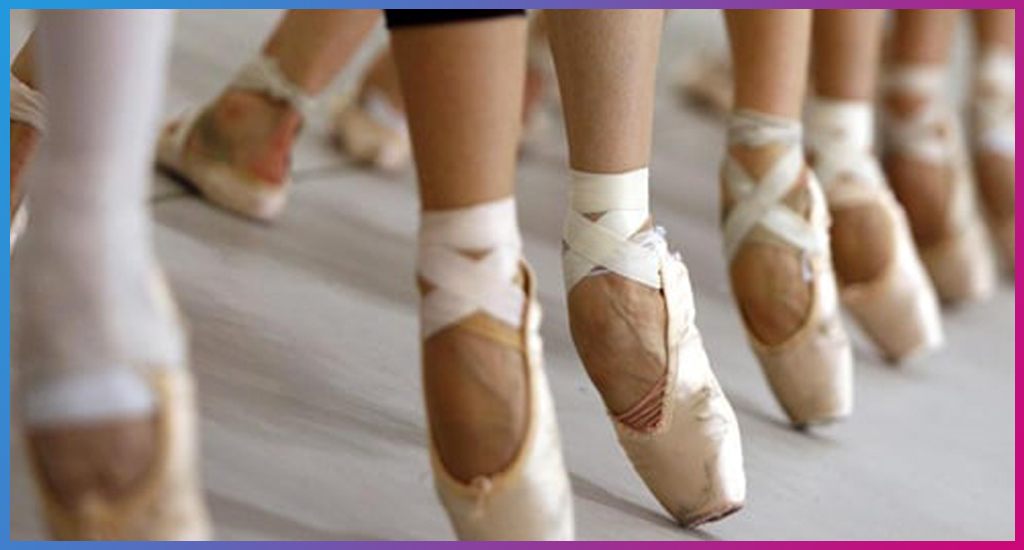
- Discipline for Competitive Environments: GTA ballet programs for children offer a stark contrast to the instant gratification provided by iPads and video games. Earning the right to dance on pointe takes years of dedicated practice, teaching children that the most rewarding achievements require delayed gratification and sustained effort.
The Curriculum Debate: Choosing a Syllabus
The specific curriculum a studio follows will dictate the style and structure of your child’s training. Understanding the differences between major syllabi helps you make an informed decision when comparing dance classes in Toronto or the GTA.
The most prominent training methods include:
- Royal Academy of Dance (RAD): This is the academic choice. Functioning much like the International Baccalaureate of the dance world, RAD is standardized globally. If your family relocates from Canada to the United Kingdom, your child can walk into a new studio and pick up exactly where they left off.
- Cecchetti Method: This represents the athletic choice. The Cecchetti method focuses heavily on the eight directions of the body, offering a highly rigorous and anatomical approach. It is specifically designed to make a dancer feel exceptionally centred, balanced, and strong.
- The PDA Hybrid: At Performing Dance Arts, we extract the very best elements from multiple teaching methods. This hybrid approach ensures our students remain technically sound while also developing profound artistic expression.
Toronto Ballet Classes: Building a Foundation for Life
Ballet acts as the foundational building block for virtually all other forms of dance, from jazz and contemporary to acro and hip-hop. Even if your child does not grow up to become a professional ballerina, the intense poise and spatial awareness they develop will stay with them forever, benefiting them in every boardroom or public stage they eventually walk onto.
The ultimate goal of this training is not merely to produce flawless dancers; it is to shape disciplined, highly observant, and resilient human beings. Just as the school system teaches children how to read and write, classical dance training teaches children how to read their own bodies and move through the world with distinct intentionality.
If you are ready to introduce your child to the transformative power of dance, explore the ballet classes Toronto and GTA families trust. Book a free dance class with Performing Dance Arts to discover how our expert instructors can help your child take their first graceful steps.