As the dance world has evolved in recent years, getting a well-rounded dance education is more important than ever. A well-rounded education involves understanding and learning about techniques and movements in addition to fostering life skills like goal setting, time management, and perseverance.
The Enduring Value of Ballet as a Foundation
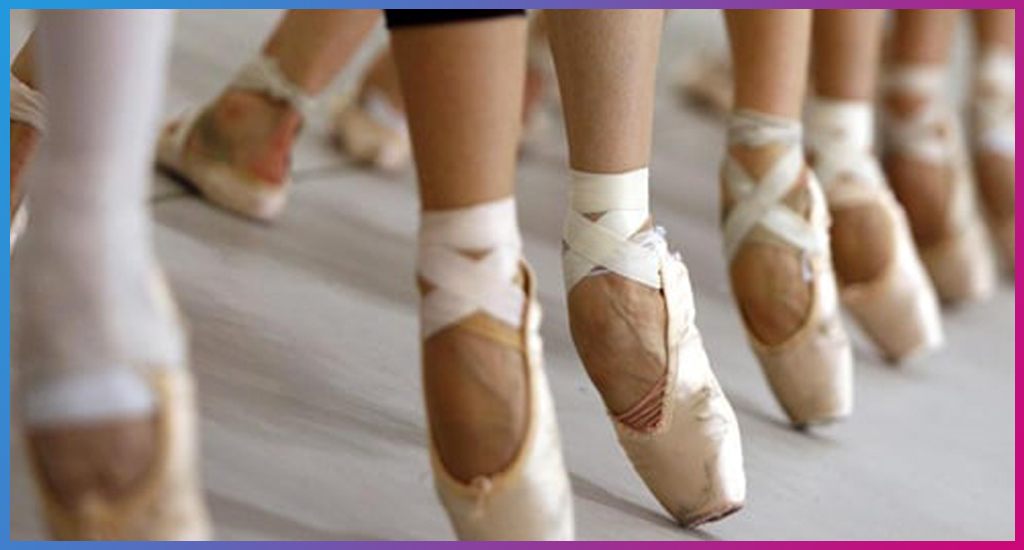
Ballet has long been regarded as the backbone of dance training. The fundamental principles of ballet began during the 15th century in Italian Renaissance courts. Today, its intricate technique and precise discipline establish an unmatched foundation for all other dance forms.
Core principles of ballet include posture, alignment, turnout, balance, and discipline to not only create graceful and controlled movements but also shape the dancer’s physical and mental fortitude.
A strong base in ballet is more than a matter of tradition. It conditions the body and introduces dancers to the foundational vocabulary and structure upon which nearly all other dance forms are built. However, focusing solely on ballet risks missing out on the dynamic creativity and versatility that broader dance training can offer. Truly exceptional dancers integrate ballet’s discipline with the expressive qualities of other styles.
Expanding Horizons: Exploring the Spectrum of Dance Forms
Every dance style brings a unique energy and movement vocabulary to the table. Here’s a closer look at how some key styles contribute to creating a holistic dancer.
Jazz Dance
Jazz, with its various sub-styles of lyrical, commercial, and theatrical dance movements, is characterized by individual expression, rhythm, and performance. The fluid movements highlight a dancer’s emotions through energetic and high-energy footwork.
Jazz teaches dancers how to interpret different rhythms and tempos creatively. Blending the rhythmic complexity of jazz with the techniques of ballet can help dancers enhance their performance quality and build strength and flexibility.
Contemporary/Modern Dance
Often blending classical techniques with innovative movement, contemporary and modern styles focus on freedom, expressiveness, and emotional depth. Dancers explore floorwork, improvisation, release techniques, and abstract movements to convey impactful narratives.
These distinct characteristics of modern dance foster artistic freedom and improve a dancer’s adaptability to different choreographic styles.
Other Dance Styles
- Hip-Hop: With its grounded movements and cultural history, hip-hop adds rhythm and stamina while encouraging expressive freedom.
- Tap Dance: This dance genre demands percussive footwork and musicality as it concentrates on rhythm and coordination and strengthens the lower body.
- World Dance Forms: African, Latin, Indian, and other cultural dance traditions broaden dancers’ appreciation for diverse movement patterns and rhythmic structures.
Cross-Training and Injury Prevention: A Holistic Approach to Physical Well-Being
All dance styles engage varying muscle groups, creating a balanced and stronger physical foundation. Overemphasizing a single style can cause repetitive strain or overuse injuries, particularly in disciplines like ballet that demand intense physical control.
Introducing contemporary or jazz training alongside ballet reduces tension or strain on overworked muscle groups. In ballet, jazz, tap, and contemporary, strong calf, quadricep, and hamstring muscles are focused on.
Mixing styles helps build flexibility, coordination, and core strength, enhancing physical preparedness and preventing injuries specifically associated with repetitive motion.
Artistic Growth and Versatility: Expanding the Creative Palette
A dancer’s creative palette is limited if they only master a single style. The interconnectedness of genres allows dancers to draw from different movement techniques, enriching their artistry. For example, the emotional expressivity of contemporary can enhance a ballet performance, while the rhythmic sharpness of jazz might add flair to a modern piece.
Young dancers who want to train for professional roles have better opportunities if they master a variety of dance genres. Versatile dancers are highly sought after in professional settings ranging from Broadway to contemporary dance companies. Dancers will often audition for multiple genres—or even multidisciplinary pieces—where adaptability to diverse choreographic styles proves essential. Additionally, in an industry that’s constantly evolving, mastering multiple styles increases long-term employability.
Beyond Technique: Developing a Holistic Dancer
While technical training is critical, a dancer’s mental and emotional development is equally important. Dancers develop creativity, adaptability, problem-solving skills, self-confidence, self-esteem, and a deeper understanding of movement as a form of expression. Dance is not only a physical craft but also a form of storytelling and expression.
In addition, learning about the history and cultural importance of each dance genre allows a dancer to develop their own artistic voice through self-expression. This helps them find their signature style and authentic voice—an invaluable asset in both creative and professional settings.
Practical Advice for Dancers and Parents: Charting a Course for Success
Supporting the development of a well-rounded dancer doesn’t have to be overwhelming. Here are simple steps for parents and dancers to follow.
- Encourage Exploration: Expose children to introductory classes in multiple styles early on. Summer intensives and workshops are excellent opportunities to explore without long-term commitments.
- Seek Qualified Instruction: No two dance forms are alike, and each requires expertise. Look for instructors with extensive training and experience in specific genres to guide your child effectively.
- Celebrate Diversity in Dance: Help your child see the value in trying different forms, even ones outside their comfort zone. Building a sense of curiosity and openness can significantly enrich their dance education.
- Plan Balanced Training Schedules: Allow for adequate focus on multiple styles without overloading your schedule. Regularly incorporate rest days and injury-prevention techniques like stretching or Pilates.
Learn More About PDA’s Focus on Comprehensive Dance Education
At Performing Dance Arts, we focus on the physical, mental, and emotional well-being of every student through various recreational and competitive programs. With ballet, jazz, tap, hip-hop, acro, and lyrical classes, our world-class instructors offer guidance and support to help your little dancer reach their dance goals.
Contact us today at 905-856-1030 (Vaughan), 647-640-5010 (Etobicoke), or 647-262-1550 (Yorkdale)!